Termite Control in Raleigh, NC
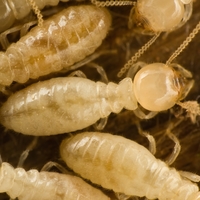
Termite Treatment & Protection in Raleigh
Our termite control services can include the Sentricon Colony Elimination System, a trusted termite treatment technology we have worked with for decades. Economy Exterminators was selected to test Sentricon before it was introduced broadly to the termite control market, giving our team longstanding experience with this system. We use the treatment approach that best fits the structure, activity level, and protection goals for the property.
For homeowners who also need help with common household pests, our residential pest control services can complement termite protection with ongoing, all-inclusive pest management for many other pests found around Raleigh homes.
Signs You May Need Termite Control in Raleigh
- Mud tubes along foundation walls
- Discarded wings near windows or doors
- Swarming termites
- Wood that sounds hollow when tapped
- Blistered or damaged wood surfaces
- Unexplained changes around trim, flooring, or structural wood
You may also want a termite evaluation when you are buying a home, renovating, addressing crawl space moisture, or reviewing an older termite protection plan. Raleigh’s warm, humid conditions can support termite activity, so prevention and routine monitoring can be valuable even when no active infestation is visible.
When to Call a Termite Exterminator in Raleigh
DIY termite products may treat a small visible area without addressing the colony or the conditions that allowed termites to reach the structure. If swarmers return, mud tubes reappear, or damage seems to be spreading, a professional evaluation can help determine the extent of the activity and whether a more comprehensive termite treatment is needed.
We focus on identifying the source of the problem and building a treatment strategy around the home. That may include monitoring, targeted treatment, termite baiting, and recommendations for reducing moisture or wood-to-soil conditions that can make a property more attractive to termites.
How Much Does Termite Control Cost in Raleigh?
The fastest way to get accurate pricing is to call or text us for a fast quote. Our in-house team can help gather the information needed to explain your options and determine the right next step for your Raleigh home.
What Affects Termite Treatment Cost in Raleigh?
Several factors can influence termite treatment pricing, including the size and layout of the structure, whether active termites are present, the extent and location of activity, the type of foundation or crawlspace, the treatment system selected, and whether ongoing termite protection is included.
Moisture conditions can also matter. Termites are often associated with areas where wood remains damp or where humidity is elevated. If we identify contributing crawl space conditions, we may recommend evaluating crawl space moisture control or crawl space encapsulation as part of a broader home-protection strategy. These services are evaluated separately based on the needs of the property.

Why Choose Economy for Termite Control in Raleigh?
Sentricon & Termite Control Experience
Our termite experience includes long-term use of leading treatment technologies such as Sentricon. Because we were selected to test the Sentricon Colony Elimination System before its broad market introduction, our history with modern termite protection goes well beyond simply offering a recognizable product. We pair that experience with careful inspections, customized recommendations, and warranty-backed options where applicable.
Local Termite Experience in Raleigh
Raleigh homes range from newer construction to established neighborhoods with mature landscaping, crawl spaces, slab foundations, additions, and other structural differences. We account for those conditions when evaluating termite risk. We also understand how moisture, grading, drainage, landscaping, and wood-to-soil contact can contribute to termite activity around local properties.
Our broader pest control in Raleigh team can also help when termite concerns overlap with ants, cockroaches, rodents, mosquitoes, spiders, or other pest issues. That gives homeowners one local partner for multiple aspects of home protection.
Client-First Support
We keep the process straightforward. We explain what we see, why it matters, what treatment options make sense, and what ongoing protection may be appropriate. Our customer-first approach is backed by thousands of customer reviews and decades of service across North Carolina. We want you to understand the recommendation before work begins and know who to contact if you have questions later.
How Our Raleigh Termite Control Process Works
Next, we explain what we found and recommend a treatment plan. Depending on the home, that may include Sentricon termite protection, targeted treatments, monitoring, or other termite control methods suited to the structure. We also point out practical conditions that may increase termite risk, such as excessive moisture or wood contact near the soil.
After treatment, we review the protection plan and any monitoring or warranty terms that apply. Our focus is immediate action when activity is present, along with a strategy that supports long-term protection.
Termite Control in Raleigh & Nearby Triangle Communities
Termite Control in Cary
We provide pest control in Cary along with termite solutions designed around local homes, neighborhoods, and seasonal pest activity.
Termite Control in Apex
Our Apex pest control team helps homeowners protect properties from termites and other common pests while providing clear recommendations tailored to the structure.
Termite Control in Durham
We provide pest control services in Durham along with termite treatments for homeowners who want professional evaluation, treatment, and ongoing protection.
Termite Control in Chapel Hill
Our pest control in Chapel Hill & Carrboro supports homeowners dealing with termites, moisture-related pest conditions, and other recurring pest concerns.

Schedule a Free Raleigh Termite Inspection
"Friendly, Informative, and Honest"
—S.K.

Wilmington, NC
"A+ Company!"
—J.B.
Charlotte, NC
"Highly Recommend Them!"
—Z.B.
Raleigh, NC
CONTACT ECONOMY EXTERMINATORS TODAY!
Expert pest elimination services are necessary when faced with a pest problem.
Contact the pest control experts of North Carolina, Economy Exterminators.
Environmentally conscious
Family- &
Pet-Friendly
Award-winning
pest control
Termite Raleigh, NC FAQs
Is termite treatment worth it in North Carolina?
Yes, termite protection is usually worth serious consideration in North Carolina because subterranean termites are common here and often work out of sight.
These pests can move from soil into wood framing, crawl space components, porch supports, sill plates, and other structural areas before obvious damage appears. Once activity is visible, the colony may already have been feeding for some time.
The important point is that not every property needs the same solution. A slab home, crawl space home, commercial building, or multi-structure property can have different risk factors, entry points, and moisture conditions.
With Economy Exterminators, we look at the structure, accessible crawl space areas, slab edges, perimeter conditions, and signs of activity before recommending an option. Sentricon® baiting, liquid applications, localized service, and moisture-related recommendations may each fit different situations.
If you have never had an inspection or you are seeing possible warning signs, termite service is a practical way to protect the property before damage becomes harder to address.
What are the common signs of a termite infestation?
Common signs of a termite infestation include mud tubes, discarded wings, swarmers, damaged or hollow-sounding wood, and unexplained bubbling or blistering on wood surfaces.
Mud tubes may appear along foundation walls, crawl space piers, plumbing penetrations, or garage edges. These tubes help subterranean termites travel while staying protected from open air.
You may also see:
- Winged swarmers indoors
- Piles of discarded wings near windows or doors
- Bubbling or blistered wood surfaces
- Soft trim
- Stuck doors
- Wood that sounds hollow when tapped
In crawl spaces, damaged sill plates, floor joists, or wood debris can also point to activity.
A common misconception is that termites are easy to see. Most of the colony stays hidden in soil, wall voids, or wood, so visible insects are not always present.
Moisture problems can also make wood more attractive and may hide damage until repairs or renovations expose it. Store-bought treatments or home remedies can miss the source of the activity because the colony may be away from the spot you noticed.
If you see any of these signs, the next step is a professional inspection of accessible areas.
What does a termite inspection and treatment process involve?
A termite inspection starts with a careful look at the parts of the structure where termites are most likely to enter or feed.
Our qualified North Carolina Pest Management Association-accredited WDIR inspectors evaluate accessible crawl space areas, slabs, perimeter zones, moisture conditions, visible wood damage, mud tubes, swarm evidence, and other risk factors.
We also document the structure with a graph and note critical findings, so the recommendation is based on what is actually present.
From there, the service approach depends on the property. Some structures may be a good fit for Sentricon® termite bait stations placed around the exterior. Others may need a liquid application, localized work, moisture control recommendations, or a combination of methods.
No inspection can see through every finished wall or sealed space, so hidden damage is sometimes discovered later during repairs. Our role is to explain what we found, what we did not have access to, and which termite control option fits the conditions we could evaluate.
How long does termite treatment take and when will I see results?
The timeline for termite treatment and visible results depends on the structure, level of activity, and treatment method used.
A liquid application is designed to affect termites as these pests move through treated areas, while a baiting system such as Sentricon® relies on termites finding and feeding on the bait so the active ingredient can spread through the colony.
Because termites live behind surfaces, in soil, and inside wood, results are not always visible in the same way as with an exposed insect problem.
You may notice fewer swarmers or no new mud tube activity, but that is only one part of evaluating progress. It is also possible for old damage to remain after active feeding has been addressed, which can make a fresh problem look worse than it is without a professional assessment.
We avoid promising an exact date for visible results because every structure and colony behaves differently. The most useful step is to have the activity evaluated, choose the right method, and follow the service instructions we provide.
How do I choose the best termite control company in Raleigh?
Choosing the best termite control company in Raleigh starts with the quality of the inspection and the company’s ability to match treatment to the actual conditions at your property.
A good company should look beyond a quick visual check and evaluate accessible crawl spaces, slab edges, exterior perimeter conditions, moisture concerns, and signs of hidden activity.
Ask whether the inspector is properly qualified for North Carolina WDIR work and whether findings will be explained clearly in writing. Treatment choice matters too. A company should be able to discuss baiting systems such as Sentricon®, liquid applications, localized work, and prevention-related recommendations without forcing every property into one method.
Experience is also important because termite issues vary by construction type, soil conditions, crawl space moisture, and neighborhood development patterns.
Economy Exterminators has served North Carolina since 1976, and our team brings that local knowledge into the inspection and recommendations. Economy Exterminators was also one of the companies selected to help test the Sentricon Colony Elimination System before its broader release.
If you are comparing providers, look for clear documentation, practical communication, strong customer reviews, and service terms that are explained before work begins.
When should I contact Economy Exterminators for a termite inspection or treatment?
You should contact us when you see mud tubes, swarmers, discarded wings, soft or damaged wood, unexplained bubbling surfaces, or signs of activity in a crawl space, garage, porch, or foundation area.
It is also smart to schedule an inspection before buying or selling a property, after discovering moisture concerns, or when you have never had the structure evaluated for termites.
Termites do not need a large opening to get inside and often travel through hidden gaps around utility lines, cracks, expansion joints, and wood-to-soil contact points.
Waiting for more visible damage can make the situation harder to understand because old damage, active feeding, and moisture-related deterioration can overlap.
With Economy Exterminators, we focus on clear findings and practical next steps rather than guesswork. If you are unsure whether what you found is termite activity, take a photo if you can do so safely, avoid disturbing the area, and call or text us today for a fast quote.
Are termite treatments safe for my family and pets?
Termite treatments can be applied responsibly around families and pets when products are used according to label directions and any required precautions are followed.
Termite products and systems are selected and applied according to property conditions and the specific areas where termites are active or likely to travel.
For example, Sentricon® bait stations use a targeted placement approach around the structure, while liquid applications are placed in treatment zones rather than being broadly applied throughout living spaces. Our goal is to address termite activity while avoiding unnecessary over-application.
Safety also depends on following the instructions provided for your service. We may give guidance about access, treated areas, pets, children, or timing based on the method used at your property.
Some households have special concerns, such as aquariums, sensitive individuals, or unusual site conditions, so it is important to mention those before service begins.