Crawlspace Encapsulation in Raleigh, Charlotte, and Wilmington
Moisture can invite pests and cause considerable damage to your North Carolina home or commercial property
CRAWLSPACE MOISTURE PROBLEMS?
Crawlspace encapsulation is the latest trend in keeping excess moisture under control and reducing musty smells affecting your indoor air quality. Contact us today to get a free inspection!
Economy Exterminators now offers crawlspace encapsulation for pest control in Raleigh, Wilmington, and Charlotte pest control service areas! Our professionals will ensure that your crawlspace is properly sealed and protected from termite infestations, as well as any issues with moisture, air quality, & pests.
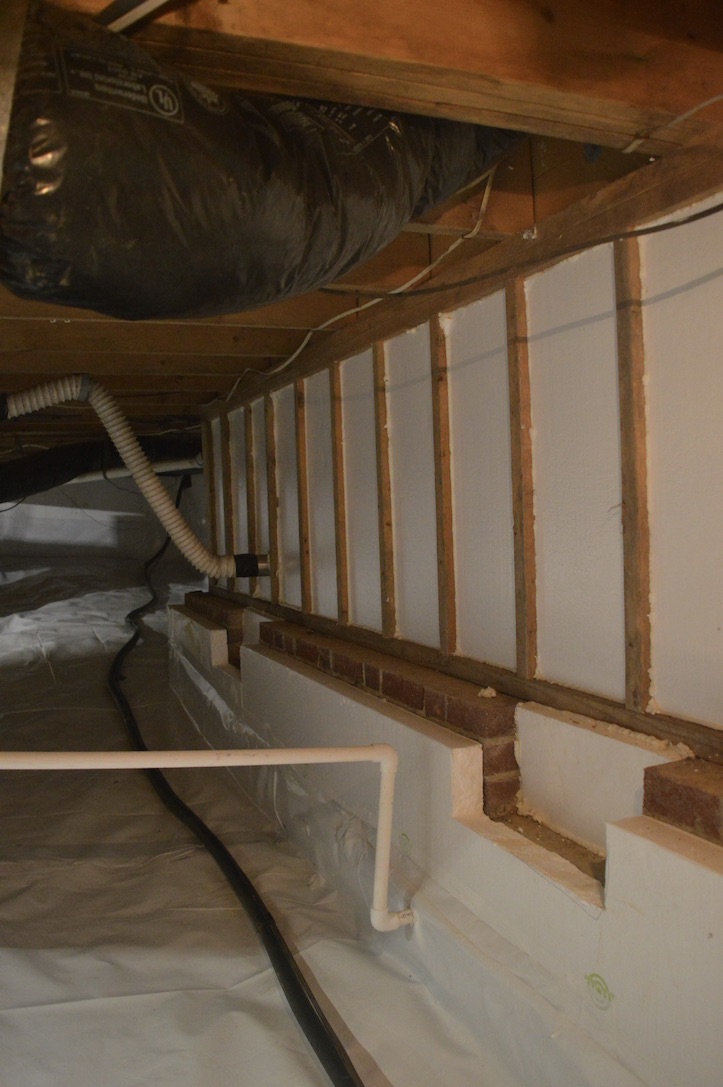
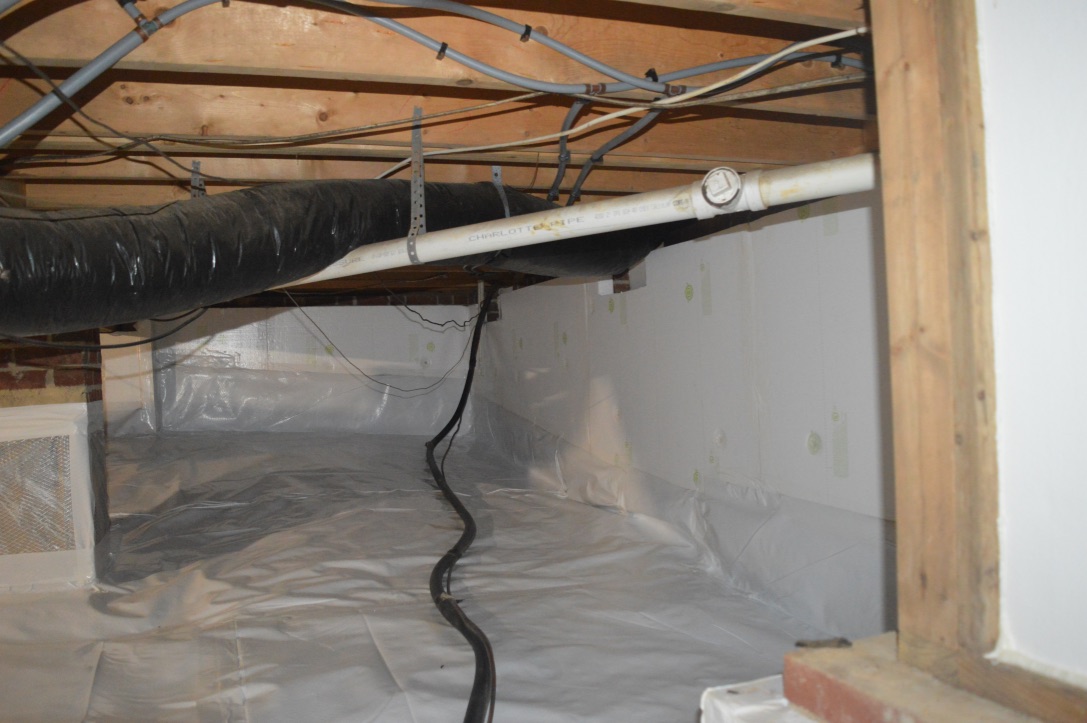
Unlike other companies, who only specialize in crawlspace encapsulation, Economy Exterminators understands that termites can infest structures behind the plastic that covers the interior foundation wall and lead to extensive damage in the wooden subfloor. Economy’s encapsulation leaves an inspection gap around the structure so that an annual termite inspection can be performed—thus, keeping up the termite warranty on the home. We want to ensure that pest problems are prevented and the air you breathe isn’t affected by crawl space moisture and humidity.
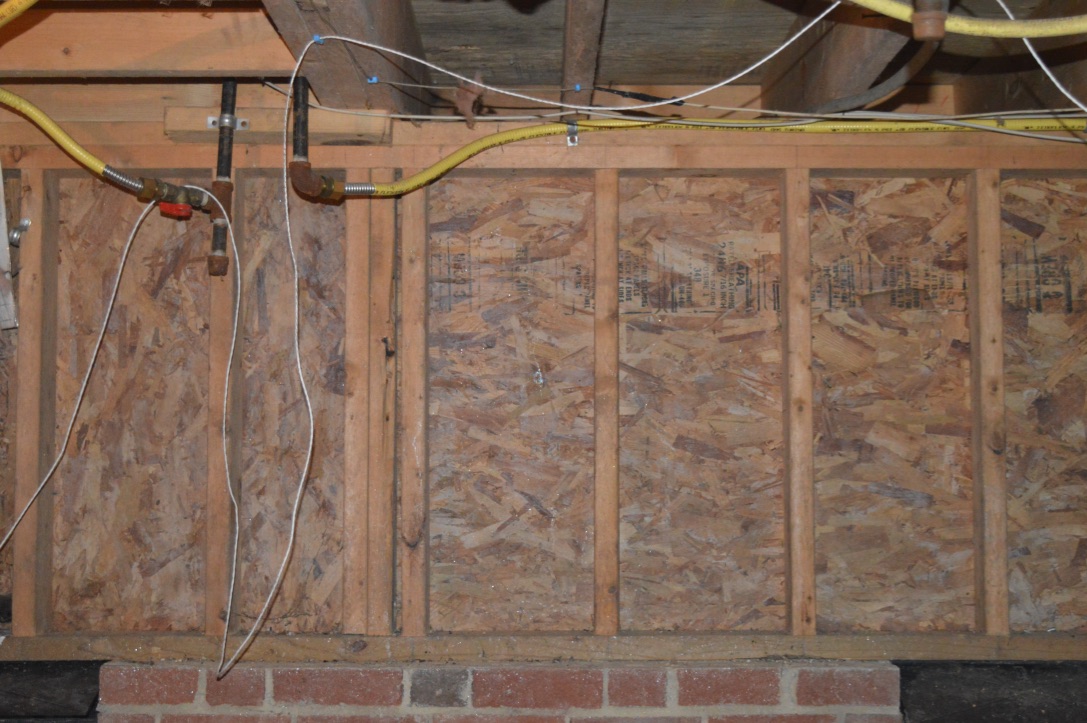
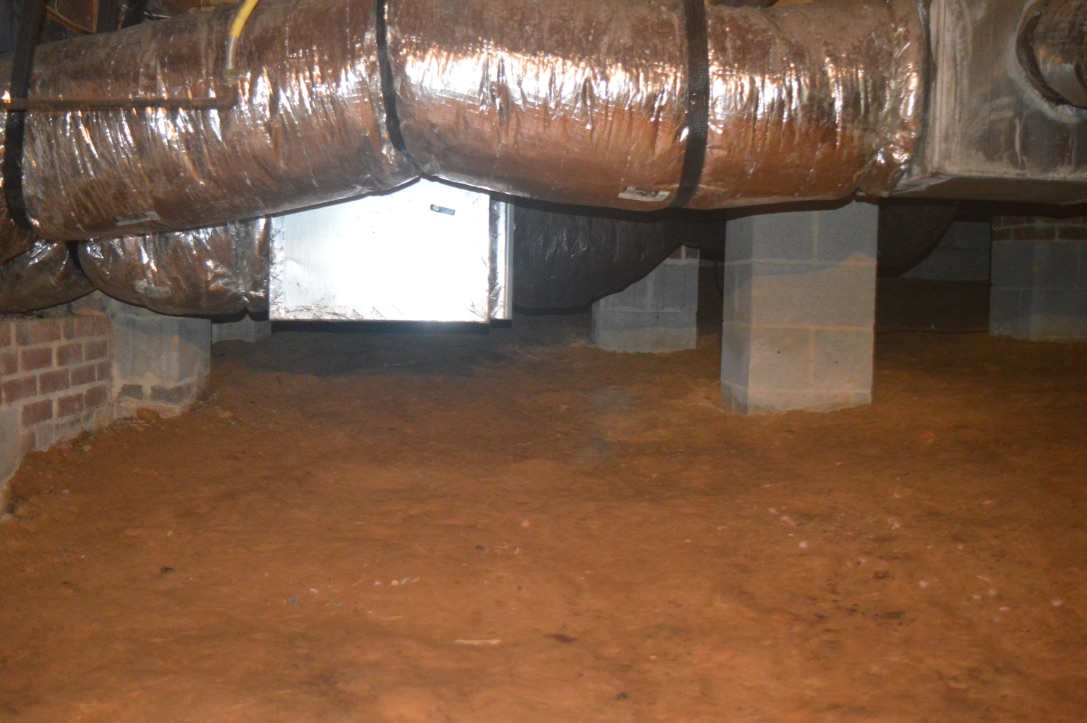
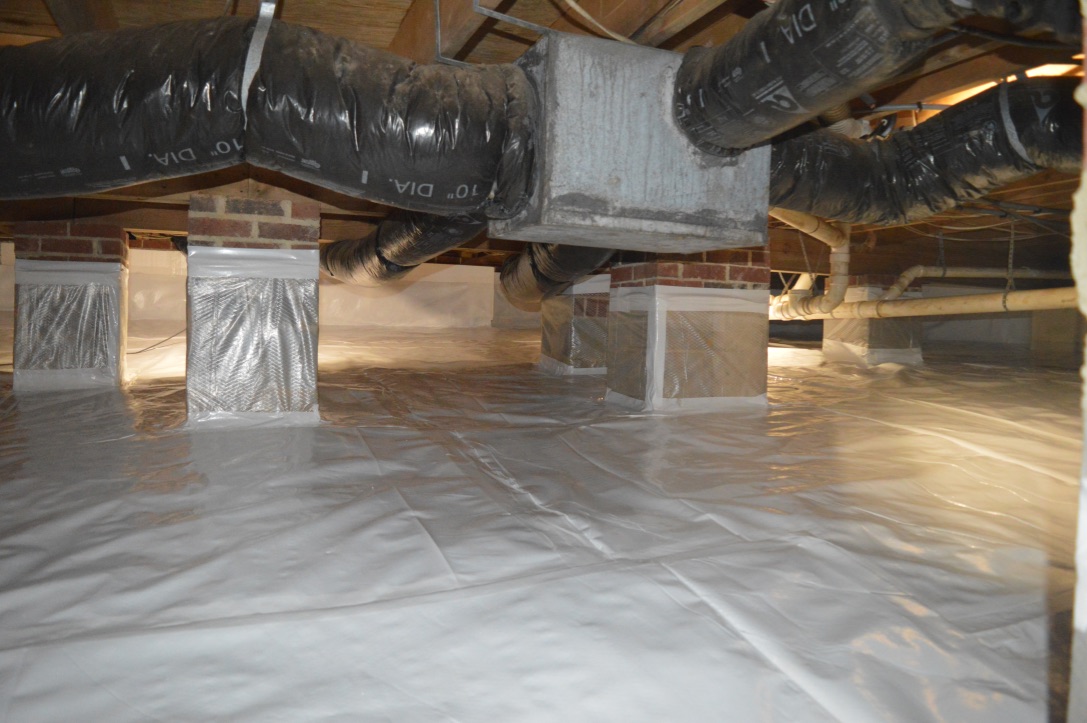
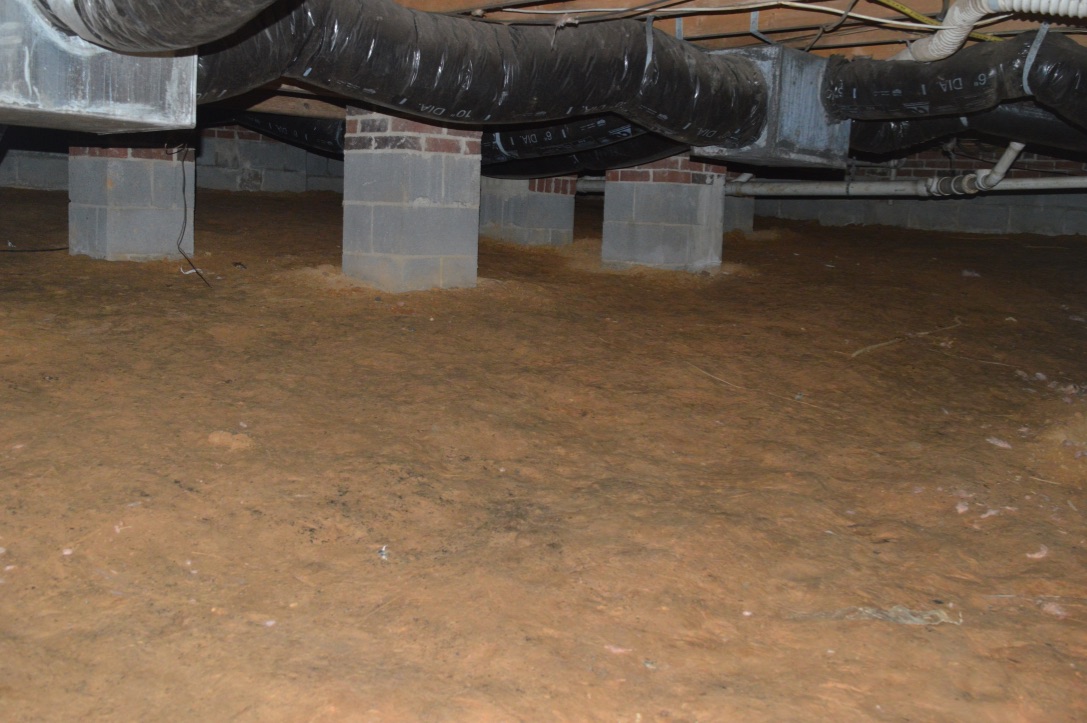
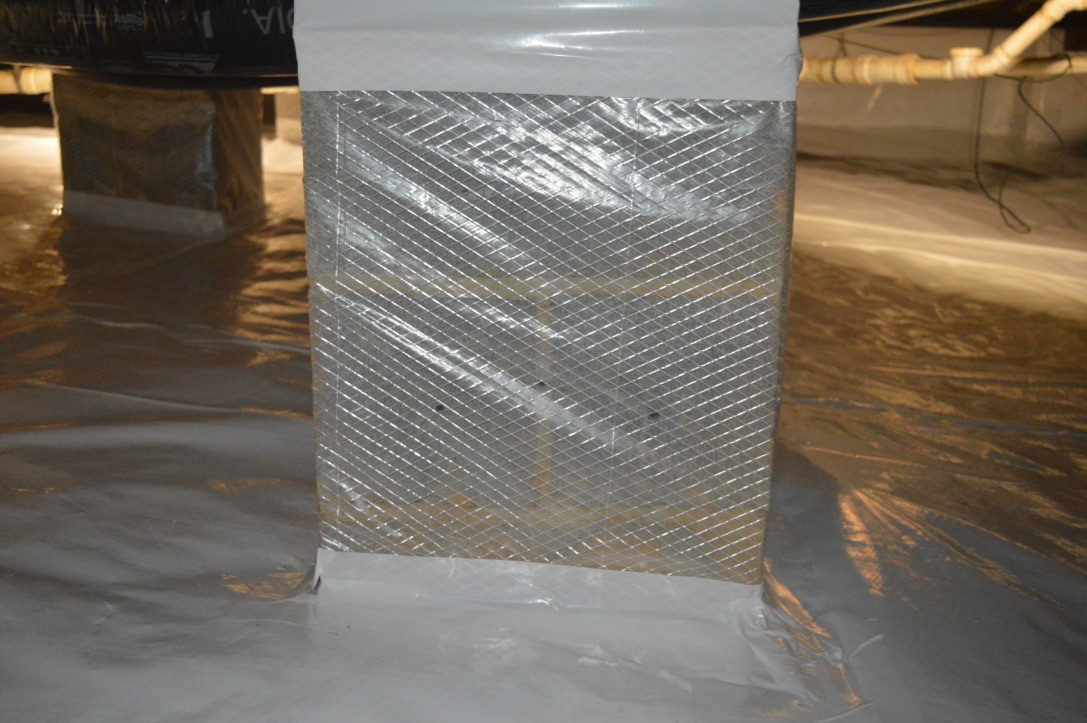
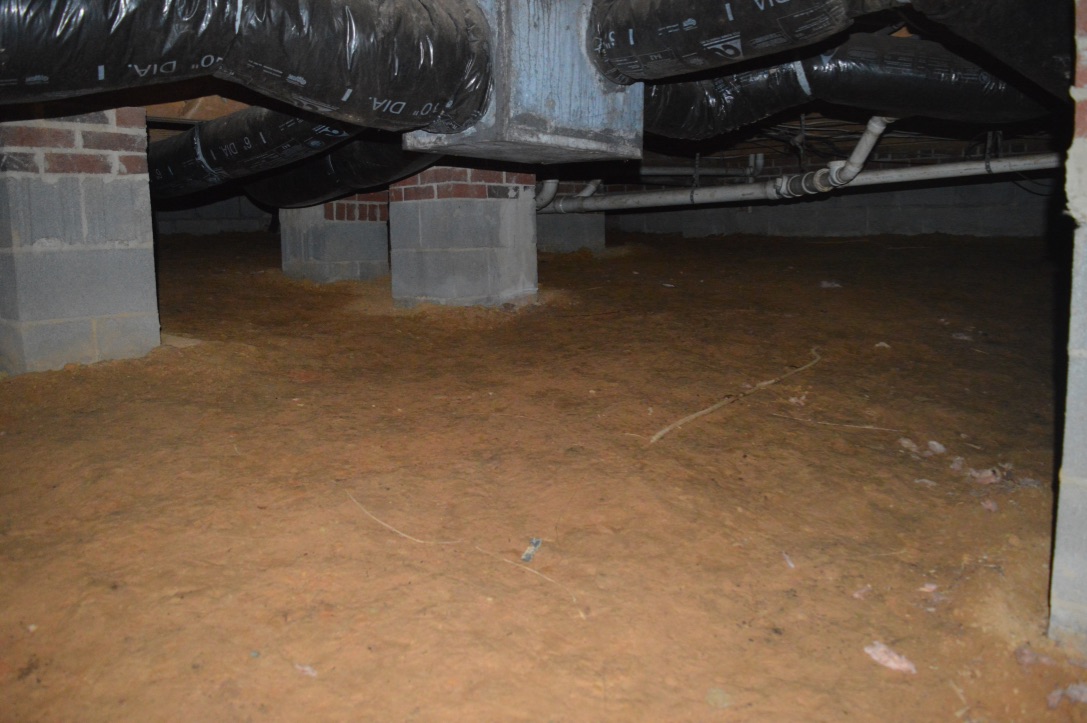
Before & After Encapsulation Service in Raleigh, Charlotte, & Wilmington
Vapor Barriers
The first step in controlling excess moisture in your crawlspace is installing a vapor barrier. A properly-installed vapor barrier prevents moisture-rich air from the ground from getting into the floor joists, insulation, foundation walls, & sub-flooring. We can also use a solution like a sump pump to help with the excess moisture that can cause musty smells & odors from entering your living space. No one wants a damp crawl space, so call one of our experts in Raleigh, Charlotte, or Wilmington to get your vapor barrier and more!
Dehumidifiers & Sump Pumps
A crawl space dehumidifier automatically keeps the humidity levels at a desired level in your newly encapsulated crawlspace, keeping the musty odors from affecting your indoor air quality. We use AprilAire dehumidifiers to prevent water vapor from affecting your insulation, sub-floor, and joists in your home. We can also install Wayne or Zoeller sump pumps to help with reducing the amount of standing water into your crawl space. Our crawl space encapsulation experts serve customers in Raleigh, Wilmington, Charlotte, and surrounding areas, so contact us today to get your dehumdifier installed!
French Drain Installation
French drain pipes, also known as curtain drains, can divert water from your crawl space if the moisture problem is really severe. First, our crawlspace encapsulation experts in Raleigh, Charlotte, or Wilmington will determine where the moisture is coming into the crawlspace, dig a trench that is sloping to the lowest point drain (if it is functional) or a sump pump basin. After the trench has been dug, we install corrugated pipe and aggregate (typically gravel). French drains can help mitigate moisture problems that exist within a crawlspace, so call us today to get a free inspection!
"Friendly, Informative, and Honest"
I am so impressed with this company and its employees! This morning and in the night for the first time in months I did not share my kitchen with uninvited and despised intruders. Yay!!! My communication with EVERY employee in this family-owned business has been friendly, informative, and honest. The cost is super affordable and the willingness to bring a valid and much-needed service is so appreciated! I highly recommend Economy Exterminators!
—S.K.

Wilmington, NC
"A+ Company!"
Economy Exterminators is amazing! Called around for pricing on contracts and such. Economy Exterminators was reasonably priced, quick to respond and definitely attentive to customers. Every time I’ve had an issue (seen spider or bugs inside or an ant hill forming outside) they reasonably fast to show up and take care of the issue. Everyone that has showed up to do work was super nice, professional, and willing to explain the process very well. A+ company!
—J.B.
Charlotte, NC
"Highly Recommend Them!"
Economy Exterminators is by far the best pest control company I’ve ever worked with. I initially called due to a Yellow Jacket problem, which they immediately resolved. Since that time I have used Economy for all pest control as well crawl space work/maintenance. After having previously received more than 5 quotes from previous organizations for crawl space work, I found Economy to be the most professional, honest and reasonably priced for outstanding quality. I highly recommend them to anyone seeking a local organization you can trust.
—Z.B.
Raleigh, NC
CONTACT ECONOMY EXTERMINATORS TODAY!
Expert pest elimination services are necessary when faced with a pest problem.
Contact the pest control experts of North Carolina, Economy Exterminators.
Environmentally conscious
Family &
Pet-Friendly
Award-winning
pest control
Crawl Space Encapsulation Charlotte, NC FAQs
What are the negatives of crawl space encapsulation?
Crawl space encapsulation can create problems when it is installed without solving the conditions that caused the dampness in the first place.
If standing water, poor drainage, plumbing leaks, or heavy ground vapor remain, a liner alone may hide symptoms instead of correcting the source.
Another concern is termite inspections. Plastic that covers the interior foundation wall without a proper inspection gap can make it harder to see termite activity behind the barrier. That matters for homes that need ongoing termite inspection access.
Equipment also matters. A dehumidifier, sump pump, or drain system may be needed in some spaces, and those components must be selected and placed correctly to be useful. Encapsulation is not a substitute for structural repairs, drainage corrections, or pest control when those are already needed.
The service works best when the crawl space is evaluated as part of the whole home, including water entry points, humidity, wood condition, and pest presence.
How long does crawl space encapsulation last?
A properly installed crawl space encapsulation system can often last 10 years or longer, but its lifespan depends on the materials, installation quality, drainage, humidity, and conditions under the home.
A well-installed system is meant to provide long-term protection, but it shouldn’t be ignored once it is in place. Sharp debris, animals, service work, plumbing leaks, or standing water can damage a liner or reduce its performance over time.
Mechanical components, such as a crawl space dehumidifier or pump, also have their own service lives and should be treated as working equipment rather than set-it-and-forget-it items.
We also leave an inspection gap where appropriate so termite activity can still be checked instead of being hidden behind plastic.
If the space stays dry, clear, and protected from physical damage, encapsulation can remain useful for many years. The best way to understand what applies to your home is to have the crawl space evaluated before choosing materials and supporting equipment.
What is crawl space encapsulation?
Crawl space encapsulation seals and controls the area beneath your home using a vapor barrier and, when needed, drainage and dehumidification to reduce moisture and humidity.
The core component is a vapor barrier that covers exposed soil and helps keep ground moisture from moving into floor joists, subflooring, foundation walls, and insulation.
Depending on what is happening under the home, the work may also include drainage improvements, a sump pump, a French drain, or a crawl space dehumidifier to help manage humidity after the area is sealed.
At Economy Exterminators, we look at encapsulation through both a structural comfort lens and a pest control lens. Termites, rodents, cockroaches, and other pests often benefit from damp, protected spaces, so reducing those conditions can support broader home protection.
For North Carolina homeowners, crawl space encapsulation should also preserve termite inspection access, especially around foundation areas where activity can otherwise be concealed.
What are the benefits of crawl space encapsulation?
The main benefit of crawl space encapsulation is better control of moisture and humidity beneath the home.
By limiting ground vapor and damp air, encapsulation can help reduce musty odors, protect insulation from absorbing excess water vapor, and make the crawl space less attractive to pests that prefer humid, sheltered areas.
It may also support indoor comfort because air from below the home can influence the living space above. When a dehumidifier is included, it helps keep humidity within a more controlled range rather than allowing conditions to swing with the weather.
There are limits to what encapsulation can do on its own. It does not repair damaged wood, correct an active plumbing leak, or stop exterior water from entering if drainage issues are left unresolved. It also should not block termite inspection access.
The strongest results come from pairing the barrier with the right drainage and humidity-control components for the specific crawl space. For many homes, the benefit is a cleaner, drier, more manageable area beneath the structure.
How long does crawl space encapsulation take to install?
Installation time depends on the size and accessibility of the crawl space, its existing condition, drainage needs, and whether equipment such as a dehumidifier or sump pump is required.
A simple, accessible area usually moves more quickly than a space with standing water, heavy debris, damaged insulation, or drainage corrections. We avoid giving a single timeline before seeing the conditions because the work should match what the home actually needs.
A typical project begins with a crawl space evaluation. We look for water entry, humidity concerns, pest-conducive conditions, foundation details, and areas that still need termite visibility.
From there, the work may involve preparing the ground surface, placing a vapor barrier, sealing key areas, creating or preserving an inspection gap, and adding drainage or humidity-control equipment when the space calls for it.
Economy Exterminators also considers how encapsulation fits with termite and general pest protection, not just how the liner looks. For scheduling and scope, call or text us for a fast quote.
Will crawl space encapsulation disrupt my home?
Most crawl space encapsulation work happens below the home, so disruption inside the living areas is usually limited.
You may hear work activity, equipment, or movement near the crawl space access, and stored items around the entry may need to be moved so the crew can work safely. If electrical access is needed for a dehumidifier or pump, that should be discussed before installation begins.
After encapsulation, the area should look cleaner and more controlled, with the ground covered and humidity management in place if equipment is installed.
Musty odors may improve as damp conditions are reduced, but odor changes can depend on what caused them and whether any damaged materials remain. Encapsulation also does not correct every related issue by itself. Plumbing leaks, exterior drainage problems, damaged wood, and active pest infestations may need separate attention.
Once the work is complete, keeping the access area clear and avoiding unnecessary damage to the liner helps preserve the benefits of the system.
How do I choose a crawl space encapsulation contractor?
Choose a crawl space encapsulation contractor who understands moisture, drainage, humidity control, structural conditions, and pest activity rather than focusing only on covering the ground with plastic.
In North Carolina, termite visibility is especially important, so ask whether the contractor preserves an inspection gap around the foundation where needed. Also ask how they decide when to recommend a crawl space vapor barrier alone versus additional components such as a French drain, sump pump, or dehumidifier.
Good recommendations should be based on what is actually happening under the home, including standing water, air movement, wood condition, humidity, and pest-conducive conditions.
Experience also matters. Economy Exterminators has served North Carolina homeowners and businesses since 1976, and our crawl space work is connected to our broader pest, termite, and pest control experience.
We also have more than 3,000 customer reviews, which can help you see how people describe our communication and service. If you are comparing crawl space encapsulation options, call or text us today for a fast quote and clear next steps.