Spider Exterminator in Raleigh, Charlotte & Wilmington
Some spiders may present a threat to the health and safety of your family and pets. Don’t risk a spider bite — call Economy Exterminators today.
Contact us for Proven Spider Pest Control Services
Economy Exterminators offers one-time spider extermination services, or you can choose our Proven Pest Elimination program, which includes spider control and prevention. During your free inspection, we’ll identify the spiders on your property and will determine the risk they pose to your family. Our spider control experts have experience with all types of North Carolina spiders, including black widows, wolf spiders, jumping spiders and cellar spiders.
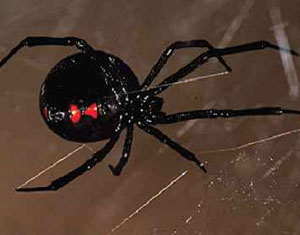
COMMON TYPES OF SPIDERS IN NORTH CAROLINA:
We know your pests’ seasonal habits, life cycles, their potential dangers, and — most importantly — how to get rid of them. Whether you have a termite infestation, need bed bug treatment, have cockroaches in your kitchen, or any other unwanted pests, contact Economy Exterminators today to schedule your FREE inspection.
- House Spiders
- Black Widow Spiders
- Brown Recluse Spiders
- Garden Spiders
- Grass Spiders
- Carolina Wolf Spiders
- Orchard & Spotted Orbweavers
- Hacklemesh & Barn Funnel Weavers
To get rid of spiders in your home or commercial property, schedule your free inspection today! The caring team at Economy Exterminators will help you regain your peace of mind with professional in Raleigh, Durham, Chapel Hill, Charlotte, & Wilmington NC spider pest elimination and prevention services.
Why Spider Activity Keeps Showing Up Around North Carolina Homes
Spiders usually settle in where food, moisture, and hiding spots are easy to find. That means spider activity often points to a larger pest issue around the home, not just a single spider problem. When insects gather around entry points, attic spaces, crawlspaces, garages, porches, mulch beds, or outdoor lighting, spiders follow. We focus on the full picture so we can reduce current activity and help prevent spiders from returning.
In Raleigh, Charlotte, and Wilmington, we often see spider pressure increase when seasonal weather shifts drive pests indoors. Warm, humid conditions, heavy rain, crawlspace moisture, and cluttered storage areas can all create better conditions for the insects and spiders to feed on. That is why our recommendations often connect spider control with broader home protection, including residential pest control, moisture control, and exclusion-focused treatments.
Our Spider Control Process
We start with a free inspection and a practical conversation about what you are seeing, where you are seeing it, and how long it has been going on. From there, we inspect likely harborage areas, identify the species when possible, look for webbing and egg sacs, and check the conditions that are supporting spider activity.
Once we understand the situation, we build a treatment plan around your property. That may include targeted treatment in active areas, web and egg sac removal recommendations, attention to exterior entry points, and reduction of the insects that are attracting spiders in the first place. Ongoing service is the better fit for long-term relief.
Signs You May Need Professional Spider Control
You may need professional help if you keep seeing these signs:
- Spiders indoors
- Notice the webs returning shortly after cleaning
- Find egg sacs around baseboards or storage areas
- Spot spiders in rooms where people and pets spend time
You may also need help if outdoor spider activity is spreading to doors, windows, soffits, garage corners, porch ceilings, or crawlspace entrances.
How Much Does Spider Control Cost?
A pest control service targeting spiders can vary in cost depending on the size of the property, the severity of the infestation, and whether treatment is indoors, outdoors, or both. The type of spiders present matters too. A few nuisance webs around the exterior can call for a different approach than frequent interior sightings, recurring egg sacs, or concerns about black widows in hidden areas.
At Economy Exterminators, we begin with a free inspection so we can give you a recommendation that matches the actual conditions on your property. That way, you are not paying for a one-size-fits-all service that misses the cause of the problem.
Why Homeowners and Businesses Choose Us for Spider Control
We have been helping protect North Carolina properties since 1976, and we bring that experience into every inspection and treatment plan. Our goal is to give you clear answers, immediate help when you need it, and long-term protection that makes sense for your home or facility.
Clients choose us because we take a top-down approach to pest protection. We do not just react to the spider you saw on the wall. We look at what is supporting spider activity around the property, including insects, moisture, harborage, and entry points. That is part of why so many homeowners trust us for crawlspace and moisture recommendations, and ongoing pest services that work together.
Serving Raleigh, Charlotte, Wilmington, and Nearby Areas
We provide spider control for homeowners and businesses across key North Carolina markets, including Raleigh, Charlotte, and Wilmington. We also offer commercial pest control services for offices, restaurants, healthcare settings, and other facilities that cannot afford pest-related disruptions.
CONTACT ECONOMY EXTERMINATORS TODAY!
Expert pest elimination services are necessary when faced with a pest problem.
Contact the pest control experts of North Carolina, Economy Exterminators.

Environmentally conscious
Family &
Pet-Friendly
Award-winning
pest control
Spider Control FAQs
Are spiders a sign of a bigger pest problem in my home?
Often, yes. Spiders stay where they can find food, water, and shelter. If you are seeing repeated spider activity indoors, there is a good chance other insects are already active in or around the home. That may include ants, roaches, flies, or other occasional invaders that gather near kitchens, bathrooms, exterior lights, crawlspaces, garages, and entry points. When that food source remains in place, spider sightings usually continue.
That is why we do not look at spider control in isolation. During an inspection, we check the conditions that support the activity and recommend a solution that addresses the whole picture. To keep spiders at bay, the best fit is a recurring plan that also supports broader pest prevention through our residential pest control services. When moisture or conducive conditions are part of the issue, we may also recommend moisture control services to help make the property less inviting to pests.
What kinds of spiders are most common in North Carolina homes?
The spiders people see most often in North Carolina homes are nuisance species such as house spiders, cellar spiders, jumping spiders, wolf spiders, grass spiders, and various orbweavers. Many of these are more annoying than dangerous, but they can still create stress when webs collect around windows, porches, garages, or indoor corners. Some hunting spiders, such as wolf spiders, may wander inside without building obvious webs, which can make indoor sightings feel sudden and alarming.
We also get many calls about black widow and brown recluse concerns. Black widows do occur in North Carolina and deserve careful attention, especially in dark, sheltered areas. Brown recluse spiders are much less common in most of the state, and many harmless brown spiders are misidentified as recluses. That is one reason a professional inspection is so valuable. Correct identification helps us recommend the right treatment instead of overreacting or overlooking a more serious issue.
Are black widow spiders common in Raleigh, Charlotte, and Wilmington?
Black widow spiders can be found in North Carolina, including around Raleigh, Charlotte, and Wilmington, especially in protected outdoor spaces and low-disturbance areas. We are most likely to find them in dark corners, crawlspaces, utility boxes, sheds, under stored materials, beneath outdoor furniture, and around clutter where insects are also present. They are usually shy and prefer to stay hidden, but they can become a real concern when they settle near living areas, play areas, pet areas, or workspaces.
If you suspect black widows, avoid handling the spider or disturbing the web. We recommend professional identification and treatment rather than guesswork. Our team can inspect the area, determine whether black widows are present, and treat the problem while also addressing the conditions that made the area attractive in the first place. For many properties, long-term relief comes from combining targeted treatment with better exclusion, cleanup, and ongoing pest prevention.
Do I need spider control if most spiders are harmless?
In many cases, yes, especially when spider activity is ongoing, increasing, or happening inside the parts of your home where your family spends time. Even when a spider species is considered mostly harmless, repeated indoor sightings, heavy webbing, and egg sacs can still signal that something about the property is supporting pest activity. Spider control is often as much about restoring comfort and preventing recurring problems as it is about removing a single dangerous spider.
We also know that most homeowners do not want to sort through species identification on their own. It is not always easy to tell the difference between a harmless spider and one that deserves more caution. A professional inspection gives you practical answers and a plan based on what is actually happening on the property. If the issue is limited, we will say so. If the spider activity points to a broader problem involving food sources, entry points, or excess moisture, we will walk you through the next steps.
Why do spiders keep coming back after I clean away the webs?
Cleaning away webs is a smart first step, but it usually does not address why spiders are there. Spiders return when food sources remain active, harborage areas stay undisturbed, and new spiders can still enter the structure. Exterior lighting that attracts insects, gaps around doors and windows, cluttered storage, damp crawlspaces, and insect activity around kitchens or bathrooms can all keep the cycle going. Removing visible webbing helps, but it rarely changes the conditions behind the problem.
Our approach focuses on both immediate activity and the reasons spiders are settling in. During treatment, we look beyond the webs to inspect corners, foundation lines, utility penetrations, garage edges, attic access points, and other areas where spiders and the insects they feed on are likely to gather. When we reduce the conditions that support spiders, results tend to last longer.
How do you treat spiders inside and outside the home?
We tailor spider treatment to the property and the activity level we find during the inspection. In general, treatment may include targeted applications in active harborages, recommendations for web and egg sac removal, and exterior attention around entry points, foundations, soffits, garages, porches, and other areas where spider activity tends to build. Indoors, we focus on the rooms and void-adjacent areas where spiders are active rather than relying on a broad, one-size-fits-all approach.
Because spiders feed on other pests, treatment often works best when it also reduces the insects that are attracting them. That can mean integrating spider service into a broader home protection plan or, for businesses, into our commercial pest control services. We also talk through the practical steps that help support results, such as reducing clutter, sealing gaps, managing lighting, and addressing excess moisture in crawlspaces and storage areas.
Can spiders come up from the crawlspace or attic?
Yes. Crawlspaces, attics, garages, and storage areas can all support spider activity because they tend to be darker, quieter, and less frequently disturbed. These areas may also attract the insects that spiders feed on, especially when there is excess moisture, cardboard storage, wood debris, gaps to the outdoors, or inconsistent airflow. From there, spiders can move into living areas through plumbing penetrations, utility openings, door thresholds, attic hatches, and other connection points.
That is why we often include crawlspace and structural conditions in our spider inspections. If we see signs that moisture or hidden activity is contributing to the issue, we may recommend moisture control services or a broader treatment strategy that protects the whole property. Treating only the room where a spider was seen can miss the source. When we identify where activity is starting and how spiders are moving through the structure, we can build a more effective plan.
Are brown recluse spiders a common problem in North Carolina?
Brown recluse spiders are a common concern, but they are not commonly found in most of North Carolina. Many harmless brown spiders are mistaken for recluses, which can create understandable fear and confusion. Accurate identification matters because treatment decisions should be based on the species that is actually present, not just on color or a quick glance. In North Carolina, confirmed brown recluse encounters are far less common than many people assume.
If you are worried about a suspected recluse, avoid direct handling and let us inspect the area. We can help determine whether the spider matches recluse characteristics and whether there is evidence of broader activity. If someone may have been bitten, seek medical attention promptly. From a pest control standpoint, the right next step is not to panic. It is a careful inspection, realistic identification, and a treatment plan based on what we find. That approach helps protect your family without relying on guesswork.
Is spider control worth it for businesses, too?
Absolutely. Spider activity in a commercial setting can affect first impressions, employee comfort, sanitation expectations, and day-to-day operations. Webs around entryways, loading areas, windows, signage, and storage rooms can make a property look neglected even when the interior is otherwise well-maintained. In some industries, visible spider activity can also raise concerns about broader pest issues that need attention.
We provide commercial pest control services for a wide range of facilities, and spider control is often part of a larger prevention strategy. Restaurants, healthcare properties, offices, warehouses, property management groups, and other businesses all benefit from consistent inspections and proactive service. We help identify where spider activity is starting, what is feeding it, and what kind of treatment and prevention plan best fits the property. That gives businesses a clearer path to protecting their space and presenting a cleaner, more professional environment.
When should I call for professional spider control?
You should call when spider sightings are becoming frequent, when webs return quickly after cleaning, when you find egg sacs, or when you are seeing spiders in bedrooms, kitchens, bathrooms, play areas, or other high-use spaces. It is also smart to call if you suspect black widows, worry that a spider might be a recluse, or notice spider activity spreading through the garage, attic, crawlspace, porch, or exterior of the home. The earlier we inspect, the easier it is to identify the conditions driving the issue.
A professional inspection is also helpful when you are not sure whether the problem is mainly spiders or a bigger pest issue that spiders are taking advantage of. We can identify the likely species, inspect the property, and recommend the right next step, whether that is a one-time spider treatment or ongoing protection. If you are ready to move forward, contact us to get your fast free quote with Economy Exterminators now.